COLUMBIA SHARENET
  • Home
  • Explore!
  • Activity!
  • Wellness
  • Columbia Resources
  • Columbia
  • PAL Program
  • CHATT
  • BASICS
    • CoC Registration
    • Career Paths
    • Training Resources
    • Computer Training >
      • Chromebooks
    • Certifications
    • Kindle Training
    • Tips: Interviews
    • Everyday Life Training
  • CoC
  • STEP
  • R. E. N. T.
  • Contact

Cleaning and Sanitizing

Cleaning & Sanitizing: Making your home safer and healthier


Why it matters 

Picture
Every day, we touch surfaces that often go unnoticed: doorknobs, light switches, countertops, faucets. Germs live on many of these surfaces and can spread when we touch them and then touch our face, eat, or share spaces.
​By adopting consistent and correct cleaning and sanitizing habits, you reduce the risk of illnesses and help maintain a healthier home for yourself, your family, and your guests.
What is cleaning vs. sanitizing (and how are they different?)It’s important to understand these terms, because using the right method in the right place makes a difference.
  • Cleaning means removing visible dirt, dust, food particles or other soils from a surface, by scrubbing, wiping or washing with soap or detergent and water. It doesn’t necessarily kill germs. 
  • Sanitizing means lowering the number of germs on a surface (after cleaning) to a level considered safe by public‐health standards. It may or may not kill every germ. (For context: disinfecting goes further than sanitizing by killing a broader range of germs, including viruses; sterilizing goes further still.)
​Key takeaway: Cleaning comes before sanitizing. You cannot sanitize a surface effectively if it’s visibly dirty or has organic matter, because sanitizers may not reach hidden germs.
Safety and best practices
  • Always ventilate the area when using stronger cleaning/sanitizing products.
  • Wear gloves if the product recommends it; avoid touching your face while cleaning.
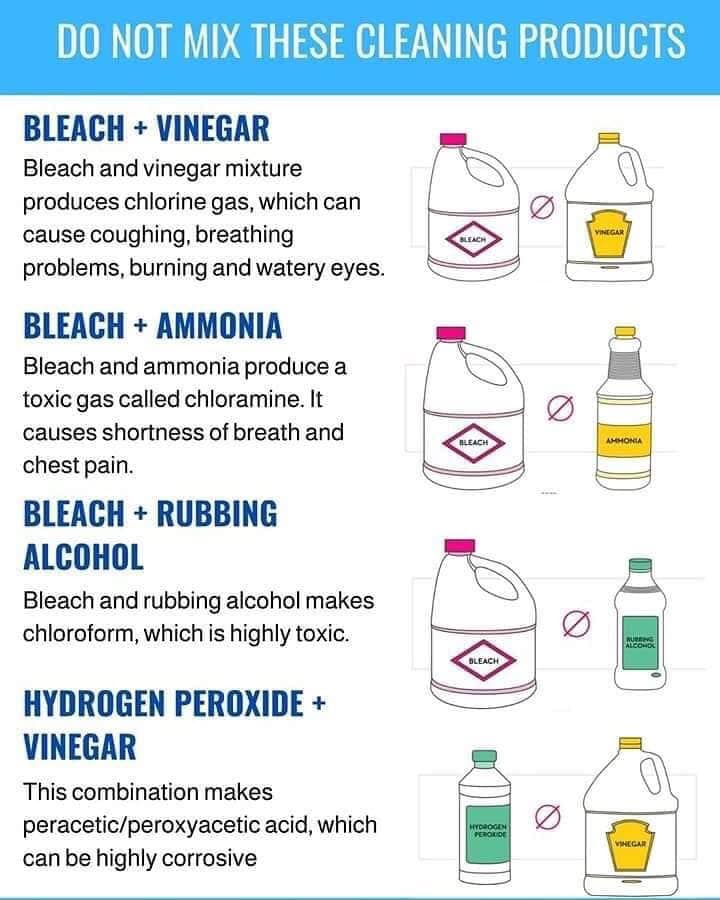
  • Never mix bleach with ammonia or other cleaners, this can create hazardous gases. 
  • ​Make sure surfaces are fully dry (or air-dried) after sanitizing if the label requires it.
  • Store wet cloths or mop heads separately; launder or replace them often so they don’t become germ reservoirs.
  • Keep pets and young children away from areas while you’re applying stronger chemicals and until surfaces are dry or safe again.
Cleaning Tips
Personal Hygiene
Picture


​​Web Hosting by PureHost
Picture
  • Home
  • Explore!
  • Activity!
  • Wellness
  • Columbia Resources
  • Columbia
  • PAL Program
  • CHATT
  • BASICS
    • CoC Registration
    • Career Paths
    • Training Resources
    • Computer Training >
      • Chromebooks
    • Certifications
    • Kindle Training
    • Tips: Interviews
    • Everyday Life Training
  • CoC
  • STEP
  • R. E. N. T.
  • Contact